Your Podcast, Your Rules: Designing a Show That Fits Your Life
Your Podcast Your Rules, you don't need to chase perfection to launch a successful podcast. Design a podcast that fits your unique life and your business goals.
This blog post is all about empowering you to define your own path, to design a podcast that genuinely fits you and your business. We're going to explore the incredible flexibility that podcasting offers and, most importantly, encourage you to trust your intuition as you build your show. If you missed the episode, you can catch up on all the inspiring insights and practical tips right here: You Can Launch A Podcast Without Perfection. I also highly recommend checking out the show notes for that episode, which are packed with even more valuable information and resources. As you'll hear, our guest, Jackie Cote, had a transformative journey, and her story is a testament to the power of embracing your own podcasting path. This blog post is designed to be your guide, your permission slip, to create a podcast that feels right for *you*.
The Myth of the 'Perfect' Podcast
Let's start by dismantling a pervasive myth that holds so many aspiring podcasters back: the idea of the "perfect" podcast. We see these beautifully produced, seemingly effortless shows out there and we assume that's the only way to succeed. We imagine flawless audio, witty banter that flows effortlessly, and meticulously researched content delivered without a single stumble. This vision of perfection can be paralyzing. It creates an internal pressure to be something you're not, or to have resources you don't currently possess. The truth is, most successful podcasts started small, with humble beginnings, and have evolved over time. Perfection is an illusion, and chasing it can prevent you from even starting.
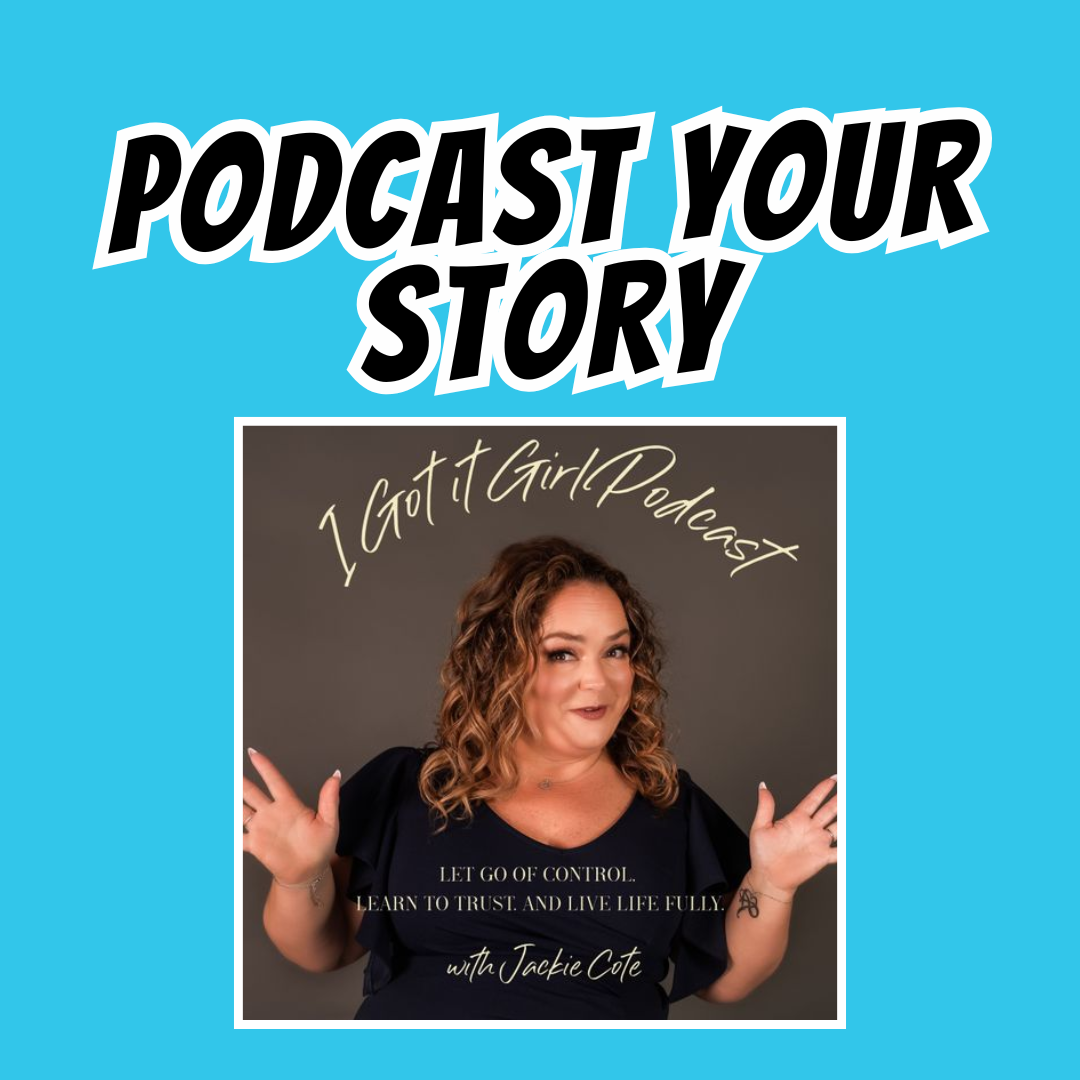
In our latest episode, we discussed how Jackie Cote moved from being a frequent guest to launching her own show, and a key part of her journey was letting go of the need for immediate perfection. The "I Got It Girl" story she shared beautifully illustrates the journey of control, survival, and learning to let go of that need to have everything figured out before taking the leap.
Think about it: what does "perfect" even mean in the context of a podcast?
The most authoritative voice?
The deepest dives into a niche topic?
While those elements can certainly contribute to a great show, they are not prerequisites for launch. The real magic of podcasting lies in its authenticity, its ability to connect with listeners on a personal level, and its capacity to share valuable information or stories. Perfection often detracts from this authenticity. A few stumbles, a moment of genuine emotion, or a less-than-perfect audio take can actually make a podcast *more* relatable and human. The pursuit of perfection can lead to analysis paralysis, endless tweaking of equipment, and ultimately, no episodes ever being published. We need to shift our focus from achieving an unattainable ideal to the process of creation and connection.
Why Your Rules Matter: Designing a Podcast for Your Life
This is where the "Your Rules" part of our title really comes into play. Podcasting is incredibly flexible, and the most successful shows are often those that are designed to fit the creator's life, not the other way around. We live in a world where our schedules are often already packed. Demanding a rigid, time-consuming podcasting schedule that clashes with your existing commitments is a recipe for burnout. Instead, you get to decide what works. This is a crucial takeaway from our episode, where we highlighted how to choose your own format, frequency, and "rules."
Consider your existing life.
What are your commitments?
What are your energy levels like at different times of the week?
What is your available time for recording, editing, and promoting?
Answering these questions honestly will help you set realistic expectations and design a podcast that you can sustain long-term.
Are you someone who thrives on consistent daily engagement? Then perhaps a daily short-form show is for you.
Are you a busy parent or professional who can only dedicate a few hours a week? Then a bi-weekly or monthly longer-form show might be the perfect fit. There is no single "right" way to do it. The "rules" are yours to create, and they should serve your life, not dominate it.
This freedom extends to your content as well. What are you passionate about? What unique experiences or knowledge do you possess? Your podcast is a platform to share that. Don't feel pressured to conform to what you think a podcast *should* be about. If you have a niche interest, embrace it! The beauty of podcasting is that there's an audience for almost everything. The more you tailor your show to your own interests and your own way of communicating, the more authentic and engaging it will be.
Listen to another podcast episode where we discuss the process of figuring out how to launch a podcast that works for you with Tracie Root, How to Confidently Launch a Podcast: A Real Client's Journey.
Choosing Your Path: Format, Frequency, and Flexibility
Let's break down some of the key decisions you'll need to make and how the flexibility of podcasting can help you design your show around your life.
Format: The Shape of Your Show
Podcasting formats are incredibly diverse, and you can mix and match to create something that suits your personality and content. Here are a few common options:
- Solo Host: This is you, speaking directly to your audience. It's a great option if you love to share your thoughts, expertise, or stories and are comfortable being the sole voice. It offers maximum flexibility in scheduling.
- Co-hosted Show: Having a co-host can add dynamic energy, different perspectives, and shared workload. However, it also requires coordinating schedules, which can be a factor in choosing your frequency.
- Interview Show: This format involves bringing on guests to discuss a particular topic. It's fantastic for tapping into others' expertise and expanding your network. The flexibility here lies in scheduling interviews when you and your guest are available.
- Narrative/Storytelling: These shows often involve in-depth research, scripting, and a focus on telling compelling stories. They can be more time-intensive in production but incredibly rewarding for the listener.
- Roundtable/Panel Discussion: Similar to an interview show but with multiple guests contributing to a conversation.
Don't feel locked into one format. Many successful podcasts blend elements. You might do solo episodes discussing your thoughts on a topic, followed by interview episodes with experts, and occasional narrative pieces. The key is to choose a format (or combination of formats) that you genuinely enjoy and that aligns with the type of content you want to produce. Remember Jackie's story; she experimented and found what worked for her.
Frequency: Finding Your Rhythm
This is perhaps the most talked-about aspect of podcasting, and also the one where the myth of perfection often creeps in. There's no magic number for how often you *should* publish. Again, it's about what you can realistically commit to and sustain.
- Daily: Highly ambitious, requires a significant time commitment and a constant stream of content.
- Weekly: A very popular and achievable frequency for many. It allows for consistent engagement with your audience without being overwhelming.
- Bi-weekly (Every two weeks): A great option if you have a busy schedule but still want to maintain a regular presence. It gives you more time to research, record, and edit each episode.
- Monthly: Ideal for in-depth content or if your schedule is extremely demanding. It still provides a predictable release for your audience.
- Seasonal: Some podcasters release their content in seasons, taking breaks in between. This can be a good way to manage workload and avoid burnout.
Consider the type of content you're producing. If it's news-driven, a higher frequency might be necessary. If it's evergreen content that requires deep research, a lower frequency might be more appropriate. The most important thing is consistency. If you commit to a weekly show, strive to release an episode every week. If you commit to bi-weekly, stick to that schedule. Your audience will appreciate the predictability.
Flexibility: The Power of Adaptation
One of the greatest strengths of podcasting is its inherent flexibility. Technology has made it more accessible and affordable than ever before. You can record using just your smartphone and a decent microphone. Editing can be done with user-friendly software. The barriers to entry are lower than many people realize. This means you can adapt your show as you go. If a particular format isn't working, or if your schedule changes, you can adjust your frequency or format without starting from scratch. The key is to be open to learning and evolving. Jackie's journey exemplifies this; she didn't start with a perfect plan, she learned and adapted.
Feeling overwhelmed by all of the technology and software options, grab my Podcast Launch Checklist to see it all broken down to easy steps to take in your journey of podcasting.
Leveraging Technology: Podcasting is Easier Than Ever
A significant factor making podcasting more accessible is the incredible advancements in technology. Gone are the days when you needed a professional studio and a hefty budget. Our guest, Jackie Cote, highlighted how much podcasting tech has changed, making launching faster and cheaper. This is a crucial point for anyone feeling intimidated by the technical aspects.
Recording: You can start with your smartphone and a simple lavalier microphone. As you grow, you can invest in USB microphones or more advanced setups. There are also apps that can help you record high-quality audio directly on your phone. Check out the recording from my workshop, How to Launch a Podcast on a Budget, for the equipment you need without paying too much.
Editing: Software like Audacity (free), GarageBand (free on Apple devices), and Descript (paid but incredibly powerful for transcription-based editing) make editing accessible to beginners. You can learn the basics of cutting out mistakes, adding intro/outro music, and leveling audio relatively quickly.
Check out the Editing Software tools I use and recommend to my clients:
Descript
Hosting and Distribution: Once your episode is edited, you'll need a podcast host to store your audio files and generate an RSS feed. This feed is what you submit to podcast directories like Apple Podcasts, Spotify, Google Podcasts, and more. Most hosting platforms make this process straightforward.
Check out the 2 Podcast Hosting Platforms I use and recommend to my clients:
Buzzsprout
RSS.com
Don't let the technology scare you. There are countless tutorials and resources available online. Start with what you have, learn as you go, and gradually upgrade your equipment and skills. The focus should always be on delivering valuable content, not on having the most expensive gear.
Mindset Shift: From Perfectionism to Process
This is perhaps the most profound shift you need to make to create a podcast that fits your life and doesn't lead to burnout. We discussed the mindset shift from chasing results to enjoying the process in our episode. This is absolutely critical.
Perfectionism is about the outcome. It's about the number of downloads, the number of five-star reviews, the perceived success. When you focus solely on these external metrics, you set yourself up for disappointment, especially in the early stages. The podcasting journey is a marathon, not a sprint. You will learn, you will grow, and your audience will grow organically as you consistently provide value and connect with people.
Shifting your mindset to focus on the *process* is liberating. Enjoy the act of creating. Enjoy the research. Enjoy the conversations you have. Enjoy the act of editing and crafting your message. When you find joy in the creation itself, the external results become less important. You'll be motivated to keep going because you love *doing* it, not just because you hope to achieve a certain level of success. This intrinsic motivation is far more sustainable than external validation.
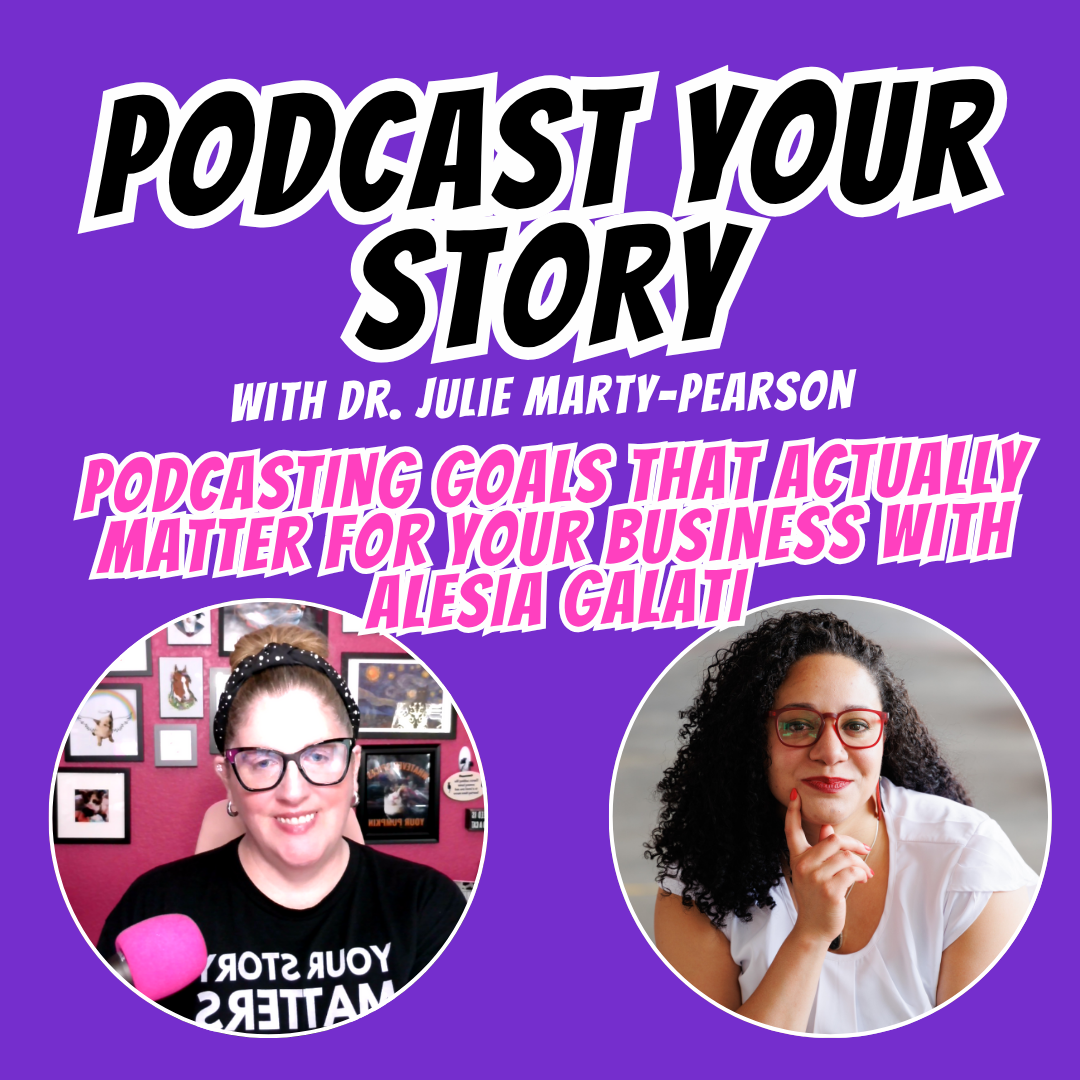
Setting goals for your podcast can really help with this process. To learn more about goal setting, listen to the episode, Podcasting Goals That Actually Matter for Your Business.
Building Trust and Evergreen Content
As we touched upon, the dual power of authentic delivery and consistent value creates both trust and evergreen content. In our episode, we talked about how podcasting is a simple, powerful way to build trust, share stories, and create evergreen content that fuels other platforms. This is the long-term vision for any podcaster.
Building Trust: Trust is the currency of the creator economy. When listeners feel a genuine connection with you, they are more likely to engage with your content, recommend your show to others, and potentially support your endeavors. This trust is built through consistent delivery of valuable content, authenticity, and a willingness to be vulnerable. It's about showing up regularly and being real.
Evergreen Content: Unlike news cycles or fleeting trends, evergreen content has a long shelf life. Think about foundational concepts in your niche, timeless advice, or compelling stories that resonate across different eras. By focusing on these types of topics, your podcast episodes can continue to attract new listeners and provide value for months, even years, after they are published. This is the power of having a podcast that works for you long-term, generating ongoing interest without constant reinvention.
Your unique voice, delivered with passion and integrity, is the engine that drives both trust and evergreen content. When you share your genuine thoughts and experiences, you create content that is not only valuable in the moment but also has the potential to resonate with people for a long time to come.
Looking for new way platforms to share your podcast and get new listeners? Pinterest might be right for you! Listen to a recent episode where we spoke about Pinterest as a podcast growth platform. I spoke with podcaster Andi Smiley about her journey in podcasting, using Pinterest, and how she now teaches other podcasters to utilize the platform for growth. Listen now: Grow Your Podcast Without Living Online: How to Use Pinterest & Threads for Podcast Growth
Conclusion: Your Podcast, Your Rules, Your Success
In wrapping up, I want to reiterate the central message of this blog post and our recent episode: You Can Launch A Podcast Without Perfection. The podcasting landscape is vast and varied, and the beauty of it lies in its adaptability. You have the power to design a show that aligns perfectly with your lifestyle, your passions, and your personal goals. Don't get caught in the trap of striving for an unattainable ideal. Instead, focus on the process, embrace your unique voice, and trust your intuition. By setting your own rules for format, frequency, and content, you create a sustainable and enjoyable podcasting journey.
Remember, the most successful podcasts are not necessarily the most polished, but the most authentic and the most consistently delivered. Your story matters, and your voice deserves to be heard. Go forth, experiment, and create the podcast that feels right for you. The world is waiting to hear it.