Smart Systems for Sustainable Podcast Growth: Less Effort, More Impact
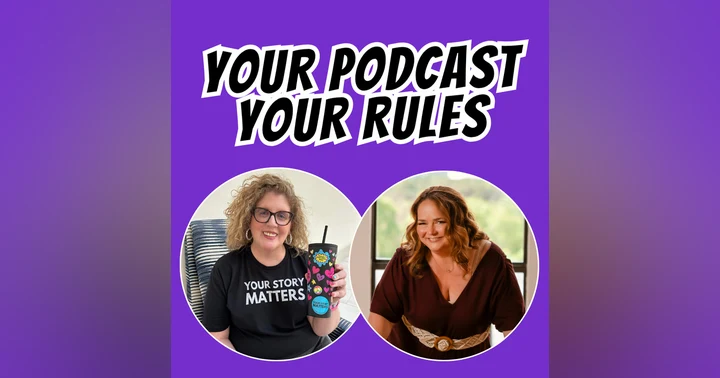
Welcome back to the blog! In this week's episode of the podcast, we dove deep into a topic that I know resonates with so many of you: how to grow your podcast without feeling completely overwhelmed. It's the classic paradox of podcasting, isn't it? You want to reach more ears, build a thriving community, and make a real impact, but the sheer amount of effort required for traditional marketing can feel like a full-time job in itself. If you haven't had a chance to listen yet, you can catch up right here: Grow Your Podcast Without Living Online: How to Use Pinterest & Threads for Podcast Growth. This blog post expands on the core ideas we explored in that conversation, focusing on implementing smart systems that allow you to work more effectively, not just harder.
The Podcast Growth Paradox
The dream of podcast growth is often painted with broad strokes: more downloads, more engagement, more opportunities. However, the reality for many podcasters is a constant scramble to keep up with the demands of social media. The pressure to be everywhere, post everywhere, and engage everywhere can lead to burnout. It's easy to fall into the trap of thinking that more content, more platforms, and more time spent online automatically equates to more growth. But is that truly the case? This episode, and this post, argue that it's not. The real key to sustainable growth lies in strategy, efficiency, and understanding where your ideal listeners actually spend their time and attention.
Why "Working Smarter, Not Harder" is Key for Podcasters
The phrase "work smarter, not harder" isn't just a catchy slogan; for podcasters, it's a survival strategy. Many of us start podcasts because we have a passion, a story to tell, or knowledge to share. We don't necessarily start them to become full-time social media managers. When the marketing efforts required to grow your show start to eclipse the joy of creating it, something is fundamentally wrong. We need to shift our focus from simply doing more to doing what matters most, with the least amount of wasted effort. This means understanding that not all marketing channels are created equal, and some can deliver far greater returns on your investment of time and energy than others.
The core principle is to identify the platforms and strategies that offer the highest leverage for your podcast. This involves understanding your target audience and where they congregate, as well as recognizing that different platforms serve different purposes. For instance, while Instagram has been the darling of many content creators for years, its algorithms and demands can be exhausting. In our podcast, we explored the idea of an "Instagram optional" approach, which resonated deeply with listeners. It's about giving yourself permission to step back from the platforms that aren't serving your growth and exploring alternatives that might be a better fit for your workflow and your audience.
The "Instagram Optional" Reality: Rethinking Traditional Social Media
Let's be honest: for a long time, the advice for podcast growth invariably included a heavy emphasis on Instagram. "Create Reels," "post Stories daily," "engage with every comment." While these tactics can work, they require a significant time commitment and a constant stream of creative energy. For many podcasters, especially those with other demanding careers or responsibilities, this level of social media activity is simply unsustainable. The reality is that while Instagram can be a powerful tool, it's not the only tool, and for many, it's no longer the most effective one for podcast promotion.
The shift towards valuing quality over quantity, and strategic engagement over constant broadcasting, is a welcome one. It allows podcasters to focus their energy on what they do best: creating amazing content. The "Instagram optional" philosophy is about acknowledging that your podcast doesn't need to live and die by the trends and demands of one specific platform. It's about seeking out places where you can build genuine connections and drive meaningful action without needing to become an overnight influencer.
This doesn't mean abandoning social media altogether. Instead, it means being more discerning. It means asking yourself: "Is this platform where my ideal listener is spending their time?" and "Does this platform align with my natural strengths and my available capacity?" When the answer to these questions leans towards "no" for a particular platform, it's okay to explore other avenues. This is where the power of "working smarter" truly comes into play. It's about recognizing that your most valuable resource is your time and energy, and you need to allocate it strategically.
Threads for Podcasters: Building Community and Driving Conversions
One of the most exciting emerging platforms for podcasters is Threads. While it's still relatively new, it has quickly shown its potential for fostering genuine community and driving measurable results. Unlike the highly visual and often fleeting nature of platforms like Instagram, Threads lends itself to more thoughtful conversations and direct engagement. This is a space where you can connect with other podcasters, potential listeners, and even guests in a more authentic and less demanding way.
The beauty of Threads for podcasters lies in its conversational nature. You can pose questions to your audience, share behind-the-scenes insights, and engage in discussions that build rapport and trust. This type of interaction can be incredibly powerful for converting casual followers into dedicated listeners and, ultimately, into email subscribers or clients. When you're able to have these direct conversations, you gain a deeper understanding of your audience's needs and interests, which can then inform your content creation and marketing efforts.
The barrier to entry on Threads is also relatively low. You don't need to be a graphic design guru or a video editing wizard. You can share your thoughts, ask questions, and participate in relevant conversations using just text. This makes it an incredibly accessible platform for podcasters who are time-strapped but still want to be actively involved in building their community. It allows for a more sustainable approach to social media engagement, where you can achieve significant impact with consistent, thoughtful participation, rather than a constant barrage of content.
Pinterest for Podcasters: The Evergreen Search Engine for Discoverability
Now, let's talk about a platform that might surprise some of you: Pinterest. Often mistaken for a purely social media platform, Pinterest actually functions much more like a visual search engine. This distinction is crucial for podcasters looking for long-term, evergreen discoverability. While social media feeds are often ephemeral, content on Pinterest can continue to drive traffic and listeners for months, or even years, after it's been pinned.
Think of Pinterest as a way to make your podcast episodes searchable and discoverable by people who are actively looking for solutions, information, or inspiration related to your podcast's topic. When someone searches for a keyword on Pinterest, your carefully crafted pins can appear in their search results, leading them directly to your website, your episode notes, or even your podcast player. This is a powerful way to attract listeners who may not have otherwise found your show through traditional social media channels.
The evergreen nature of Pinterest means that the effort you put into creating pins today can continue to pay dividends over time. Unlike a fleeting Instagram Story that disappears in 24 hours, a well-optimized Pinterest pin can attract eyeballs and clicks long after you've forgotten you even created it. This is the essence of working smarter: investing your time in assets that have a long shelf life and continue to deliver results without ongoing maintenance.
Practical Pinterest Setup: From Business Accounts to Analytics
To truly leverage Pinterest for your podcast, you need to approach it strategically. Here's a breakdown of key setup elements that will maximize your efforts:
1. Convert to a Pinterest Business Account
If you're not already using a business account, make the switch. A business account unlocks valuable analytics and insights, allows you to claim your website (which is crucial for credibility and tracking), and provides access to advanced features like Rich Pins. This is your first step towards treating Pinterest as a serious marketing channel.
2. Claim Your Website
Claiming your website on Pinterest links your Pinterest profile directly to your domain. This is essential for several reasons: it verifies that you are the owner of the content, it allows your profile picture to appear next to your pins in search results, and it enables you to track website clicks and saves from your pins. It's a fundamental step for any serious Pinterest marketer.
3. Optimize Your Profile and Boards
Your Pinterest profile is your landing page on the platform. Use a clear, keyword-rich description that explains what your podcast is about and who it's for. Create distinct boards that categorize your podcast episodes or related content. For example, if you have a podcast about sustainable living, you might have boards for "Eco-Friendly Habits," "Zero Waste Tips," "Sustainable Recipes," and "Podcast Episodes: Sustainable Living." Use relevant keywords in your board titles and descriptions to improve discoverability.
4. Create Compelling Pins
Your pins are your visual advertisements for your podcast. Aim for high-quality, vertical images or videos. Use text overlays that are easy to read and clearly communicate the value proposition of your episode. Think about what would make someone stop scrolling and click. Consider different pin formats: static images, video pins, and carousel pins can all be effective depending on your content and your audience.
5. Utilize Keywords and Hashtags
Pinterest is a search engine, so keyword research is vital. Think like your listener: what terms would they be searching for on Pinterest to find content like yours? Use these keywords in your pin titles, descriptions, and on your boards. While not as critical as on some other platforms, relevant hashtags can also help with discoverability.
6. Understand Your Analytics
Your Pinterest business account provides valuable data on which pins and boards are performing best. Pay attention to metrics like impressions, saves, outbound clicks, and audience demographics. This information will help you refine your strategy, create more of what resonates, and remove what isn't working.
7. Consider Multiple Podcasts
If you host multiple podcasts, you might be wondering if you need separate Pinterest accounts. The general advice is that for stronger SEO and better audience segmentation, separate business accounts or at least distinct boards for each podcast can be beneficial. This allows you to tailor your keywords and content more specifically to each show's niche.
Realistic Consistency: Finding Your Sustainable Marketing Cadence
The biggest pitfall for many is trying to do too much, too soon. The key to sustainable growth is finding a marketing cadence that you can realistically maintain without sacrificing your sanity or the quality of your podcast content. For Pinterest, this might mean starting with pinning 5-10 new pins per week, rather than feeling pressured to pin 50. For Threads, it might mean checking in a couple of times a day to engage in conversations, rather than feeling obligated to post multiple original threads daily.
The goal is consistent effort, not overwhelming output. It's about building habits that you can stick with long-term. Don't fall into the trap of inconsistent bursts of activity followed by long periods of silence. Regular, smaller actions compound over time and lead to more sustainable and predictable growth. This is where systems come in. Setting up templates for your pins, scheduling your Threads engagement, or creating a content calendar can help you maintain that realistic consistency.
Actionable Takeaways: Implementing Smart Systems for Your Podcast
Here are the key actionable takeaways from this episode and blog post to help you implement smart systems for sustainable podcast growth:
- Embrace "Work Smarter, Not Harder": Prioritize your time and energy. Focus on marketing channels that offer the highest leverage for your podcast.
- Rethink "Instagram Optional": Give yourself permission to step back from platforms that are no longer serving your growth. Explore alternatives that align with your capacity and audience.
- Leverage Threads for Community: Use Threads for genuine conversations, building rapport, and driving conversions. It's a low-lift platform for high-impact engagement.
- Treat Pinterest as a Search Engine: Optimize your Pinterest presence for discoverability. Create evergreen content that can drive traffic to your podcast for months or years to come.
- Set Up for Pinterest Success: Convert to a business account, claim your website, optimize your profile and boards with keywords, and create compelling pins.
- Analyze and Adapt: Regularly review your Pinterest and Threads analytics to understand what's working and refine your strategy.
- Find Your Sustainable Cadence: Don't aim for perfection or overwhelm. Focus on consistent, realistic marketing efforts that you can maintain long-term.
- Build Systems: Use templates, scheduling tools, and content calendars to streamline your marketing efforts and make consistency easier.
Growing your podcast doesn't have to mean sacrificing your well-being or your entire life. By implementing smart systems, focusing on strategic channels like Threads and Pinterest, and embracing a "work smarter, not harder" philosophy, you can achieve significant growth with less effort and more impact. I encourage you to revisit our conversation on the podcast at https://www.podcastyourstorynow.com/grow-your-podcast-with-pinterest-threads/ and start implementing these strategies today. Let's build a sustainable and impactful podcast presence, one smart system at a time!

From Cyndi Lauper to Podcasting: Finding Your Voice